
Key Takeaways
- FAST stands for Functional Assessment Staging Tool, and it tracks daily abilities rather than memory alone.
- The tool covers 7 stages, moving from little noticeable change to needing hands-on help.
- A score gives families and care teams a shared language for honest conversations.
- Where someone lands can help guide the choice between independent living, assisted living, and memory care.
A Simple Way to Track Daily Abilities
You’ve noticed something changing in your loved one’s routine. They used to handle their bills every month. But now, the envelopes sit unopened. And you see them wearing a heavy sweater on a warm afternoon. Our team at Longevity Living of Granite City understands that you want to know what could come next in straightforward language.
The FAST scale, or Functional Assessment Staging Tool, is a 7-stage guide for dementia progression. It describes how dementia affects everyday abilities like dressing, bathing, and managing home tasks. The scale focuses on what a person can still do. And that makes it practical for families and teams in memory care alike.
What the FAST Scale Measures
Most people expect a dementia assessment to focus on memory questions. But the FAST scale looks somewhere else. It focuses on function and the real tasks that fill the day.
That shift matters because function is what you actually see at the kitchen table. You notice the unopened mail, the skipped shower, and the shirt buttoned the wrong way. Those observations line up with what clinicians call activities of daily living.
The tool also gives everyone a shared language. When you tell a doctor, a nurse, or a care team a stage number, they’re picturing the same set of abilities as you are. That reduces the confusion of trying to explain what home life looks like.
The 7 Stages of the FAST Scale
Early Changes Across Stages 1 Through 3
In the earliest stage, there’s little to no noticeable change. Life looks the way it always has.
By stage 3, small troubles can show up at work or in unfamiliar places. Someone in this stage might take two tries to reach a new restaurant in the neighborhood. These changes are sometimes brushed off as age-related forgetfulness, since daily life can still be managed independently.
Moderate Changes in Stages 4 and 5
Stage 4 tends to show up in more complex tasks. That means balancing a bank account, planning a week of meals, or organizing a gathering can become harder to manage.
At stage 5, choosing clothing that fits the weather or the occasion can become difficult. A wool coat in July or a sundress in January often signals this point. However, those in stage 5 can still dress themselves once the clothing choices have been picked out.
More Help Needed in Stages 6 and 7
Stage 6 brings hands-on help with personal routines. That can include:
- Putting clothing on in the right order
- Bathing safely and comfortably
- Toileting and related routines
- Reminders and cues throughout the day
In stage 7, speech becomes limited. The ability to walk and sit also changes over time. Both stages break into sub-stages that typically follow a predictable order. And that helps care teams anticipate what kind of support fits next.
How to Read a FAST Score at Home
Start paying attention to two things. First, take note of which abilities have shifted. Second, think about what kind of help your loved one needs now that wasn’t needed six months ago.
Pace matters too. Changes that appear over a month usually warrant greater attention than changes that unfold slowly across a year. You can jot down the dates in a notebook or your phone. That record gives you something concrete to share with your loved one’s providers.
Keep in mind the score works alongside the full picture of your loved one’s health. It’s only one piece of information to a bigger story.

How a FAST Score Can Guide Senior Living Choices
Early Stages and Independent Living
In the early stages, structure can provide a rhythm for daily living. Steady routines, nutritious meals, and a full social calendar are all part of independent living. It’s a quiet way to boost daily well-being.
Added Needs and Assisted Living
Assisted living can step in when dressing, bathing, and medication management start taking up your loved one’s whole morning. They’re welcome to keep their independence where it counts while a team handles the rest.
When Memory Care Fits
Memory care offers around-the-clock support in a secure setting. Many communities also pair it with purposeful engagement woven into each day. If you’re unsure whether the timing is right, the team is happy to answer your questions during a tour.
Look for Support That Fits
Track the changes you see, share your notes with the care team, and ask questions early. Care options can grow right alongside your loved one’s needs when the search is timely.
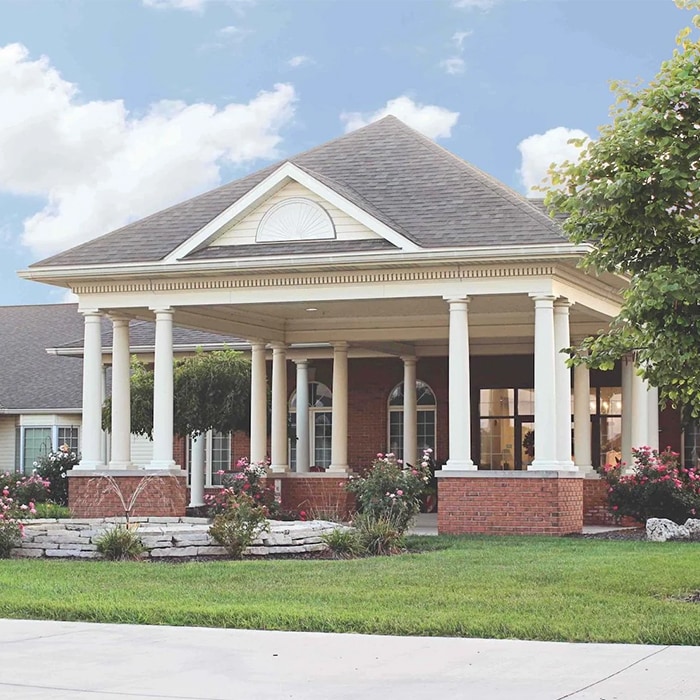
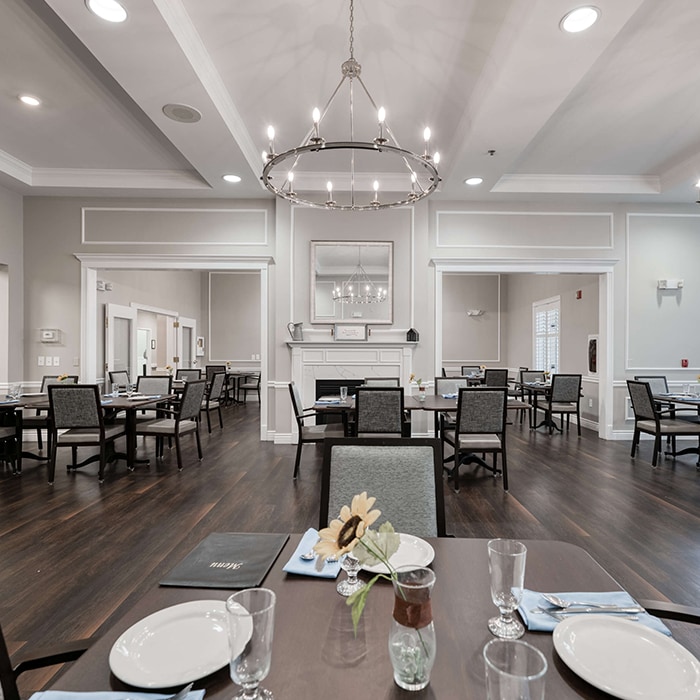
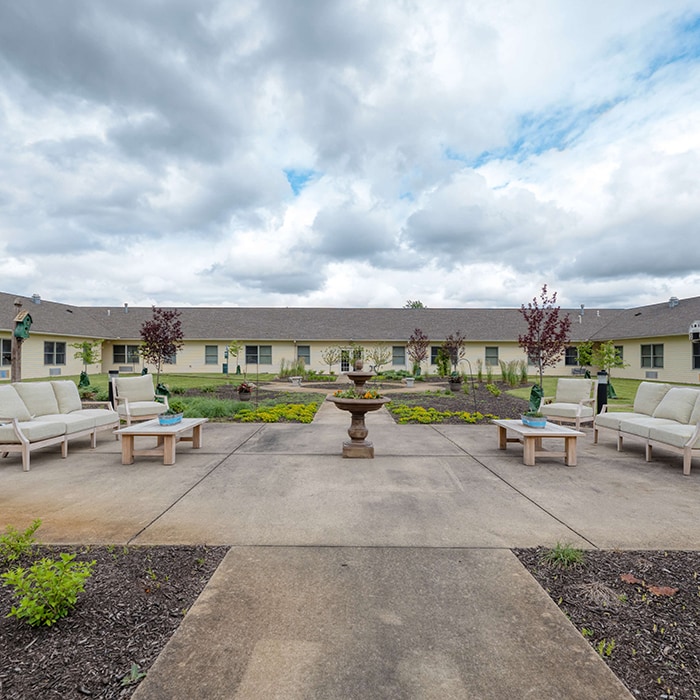
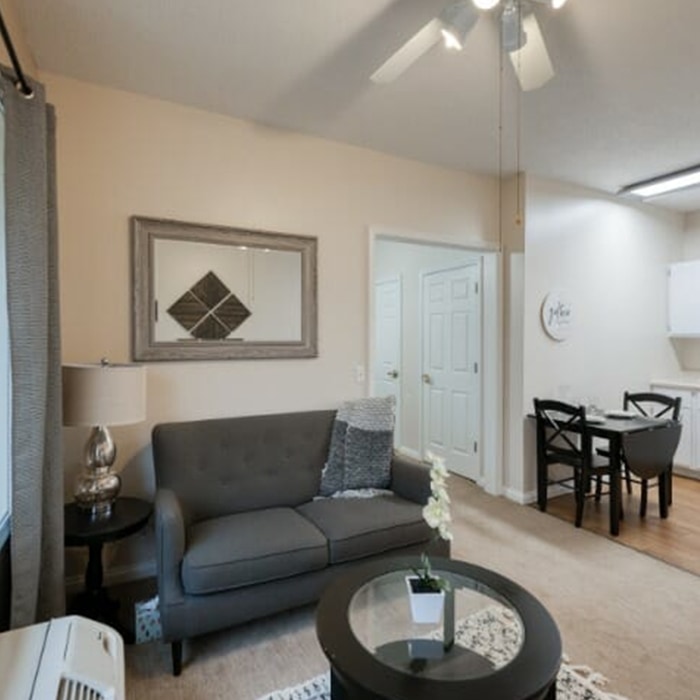
Longevity Living of Granite City offers independent living, assisted living, and memory care built around a more fulfilling life. Schedule a tour today and see the approach for yourself. Your loved one deserves a community that cares about more than just their physical health.