Key Takeaways
- Loneliness can quietly affect mood, memory, and overall health in retirement.
- Starting with hobbies and scheduled group activities makes socializing feel natural.
- Your living environment plays a big role in how easy or hard it is to stay connected.
- Family members can spot early signs of isolation and take simple steps to help.
- One small step toward connection can open the door to a much richer daily life.
Social Life Does Not Stop at Retirement
For many people, retirement brings a welcome change of pace. But without the built-in structure of a workday, it’s easy for social contact to slowly fade. Days that once felt full can start to feel quiet, and that quiet can grow louder over time.
Staying socially active after retirement is one of the most meaningful things you can do for your health and happiness, and it’s more achievable than you might think. Whether you’re planning your own next chapter or helping a loved one find more connection, we understand that the right approach can make a real difference in day-to-day life. From independent living to memory care, there are real, practical ways to make connection a natural part of every day.
Why Social Connection Matters in Retirement
Loneliness doesn’t always announce itself. It can creep in gradually, showing up as low energy, a shorter temper, or a disinterest in things that used to bring joy. Over time, those feelings can affect mood, mental sharpness, and overall well-being. The National Institute on Aging links social isolation in older adults to increased risks for cognitive decline and other health concerns.
Regular social connection, on the other hand, gives each day a sense of purpose. When you have people to talk to, laugh with, and share meals with, life feels fuller. That sense of belonging is something every person deserves, no matter their age or living situation.
The good news is that connection isn’t something you have to chase down. With the right habits and environment, it can become a natural part of your routine.
Simple Ways to Build a Social Routine
Start with What You Already Love
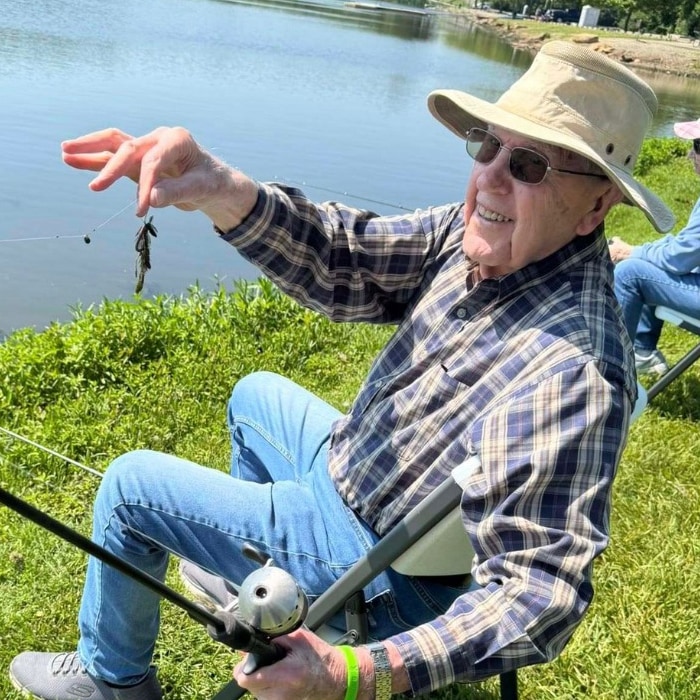
You don’t have to walk into a room full of strangers to build a social life. Some of the easiest friendships grow out of shared interests. Familiar activities lower the pressure. When you’re focused on something you enjoy, conversation tends to happen on its own. Think about what lights you up and look for groups or classes that revolve around it.
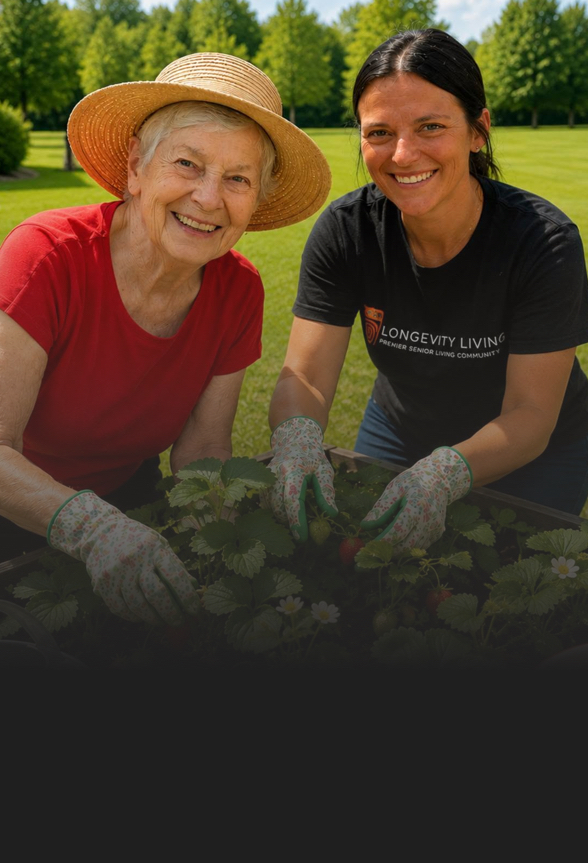
For example, if you love gardening, painting, or playing cards, those hobbies already give you something in common with other people before a single word is spoken. Research on gardening and older adults even shows that shared nature-based activities can boost self-esteem and social engagement at the same time.
Try Scheduled Group Activities
One of the quiet challenges of retirement is that social plans no longer happen automatically. Without a little structure, it’s easy to let weeks pass without meaningful interaction. That’s where scheduled group activities can really help.
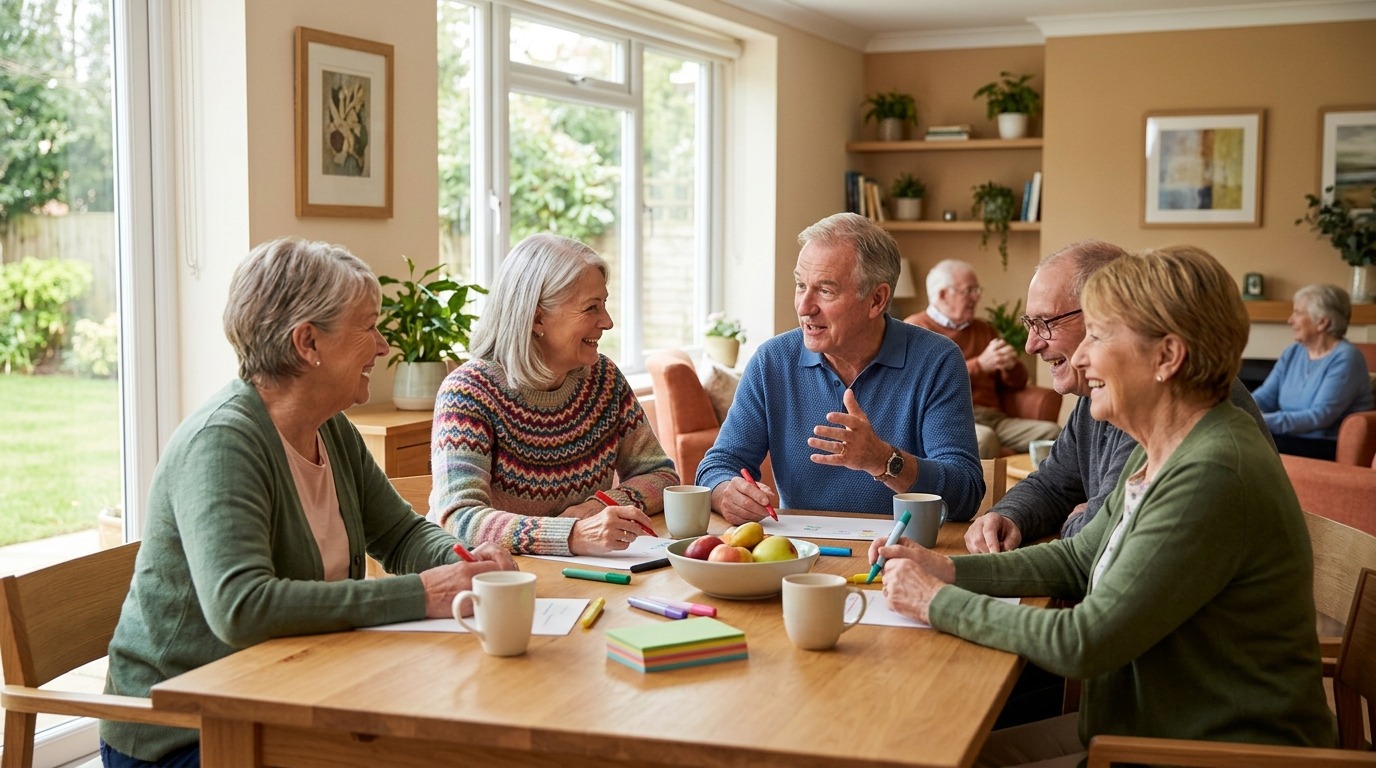
When you show up to the same class, group, or event on a regular basis, you start to see the same faces. Over time, those familiar faces become real friendships. Consistency is what turns a casual hello into a genuine bond. You can browse upcoming events and activities to get a sense of what a structured social calendar can look like.
The Role of Your Living Environment in Social Life
Your home environment shapes your social life more than most people realize. If getting out requires a car ride, advance planning, and extra effort every single time, socializing starts to feel like a task rather than a pleasure.
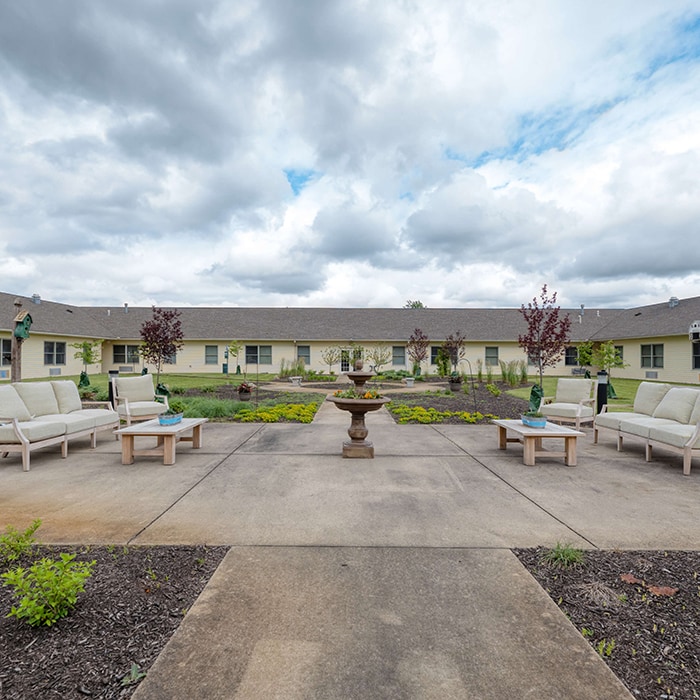
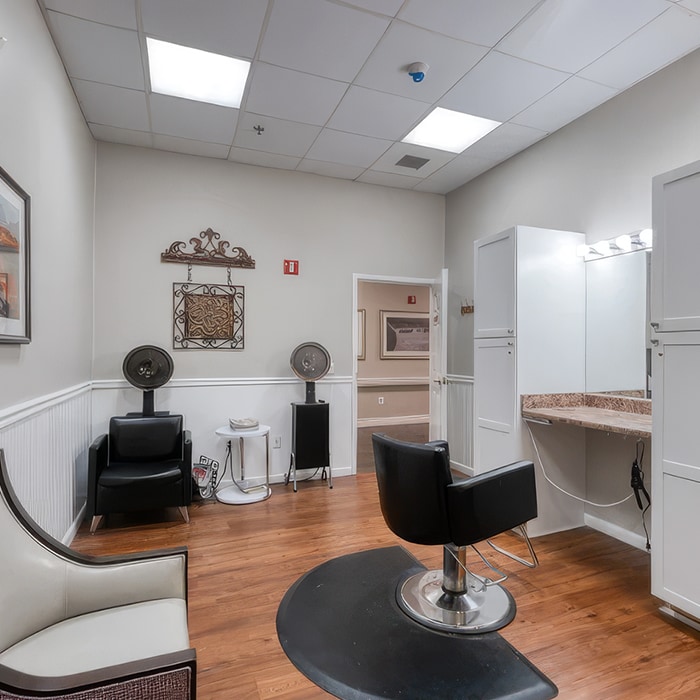
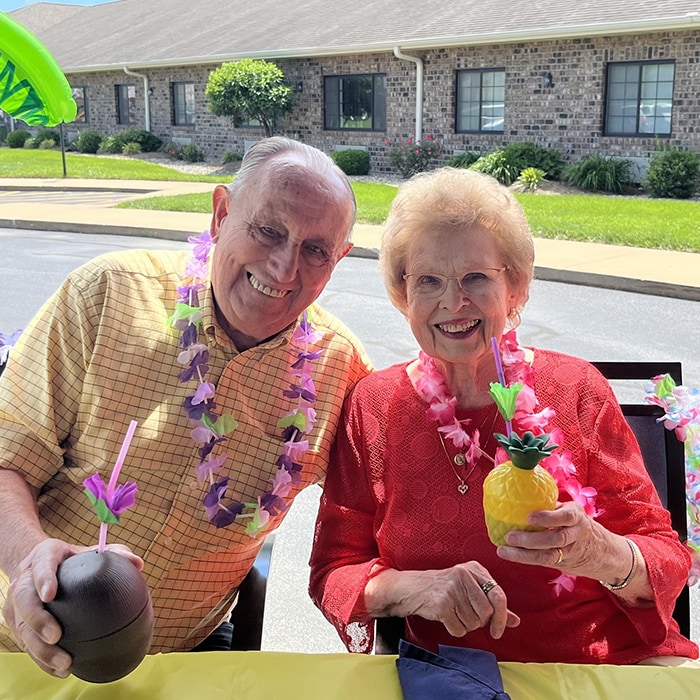
Independent living communities take a different approach. They’re designed with a built-in social calendar, so connection is always close by. Fitness classes, group dinners, game nights, and community events are part of everyday life, not something you have to seek out separately. The services and amenities at a thoughtfully designed community are built around exactly that kind of daily engagement.
For those in assisted living or memory care, supported group engagement means that connection doesn’t depend on a person’s ability to plan or initiate. Caring team members help bring residents together in ways that feel natural and comfortable. The right environment can quietly remove the barriers that isolation thrives on.
How Family Members Can Help a Loved One Stay Connected
Signs Your Loved One May Need More Social Support
Sometimes the people closest to us are the last to ask for help. If you’ve noticed your loved one seems quieter than usual, less interested in activities they once enjoyed, or making fewer calls and plans, those can be signs that social connection has slipped. You don’t need to wait for things to get harder before you step in. A gentle, caring conversation can open the door to real change.
Practical Ways to Step In
One of the most helpful things you can do is research senior living options that prioritize engagement programs. Look for communities where activities are structured, consistent, and designed to bring residents together around shared interests.
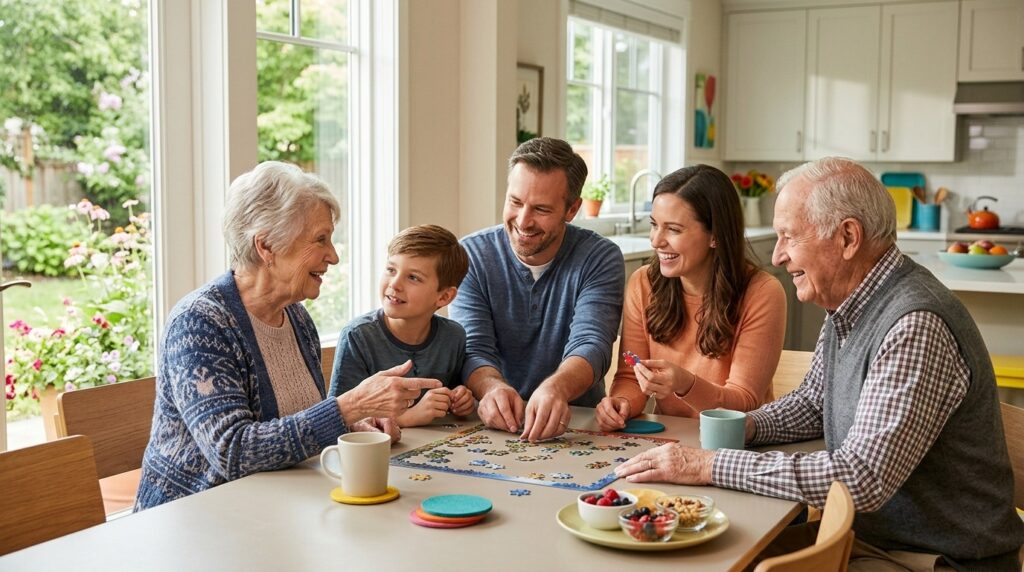
You can also make sure to help by scheduling regular visits or video calls so your loved one knows they’re thought of. Small gestures of connection from family go a long way, even when a community provides plenty of social opportunities on its own.
A More Connected Life Is Within Reach
Social wellness doesn’t require a complete life overhaul. It starts with 1 small step, a class you sign up for, a conversation you start, or a community you explore. Each of those steps can lead somewhere meaningful.
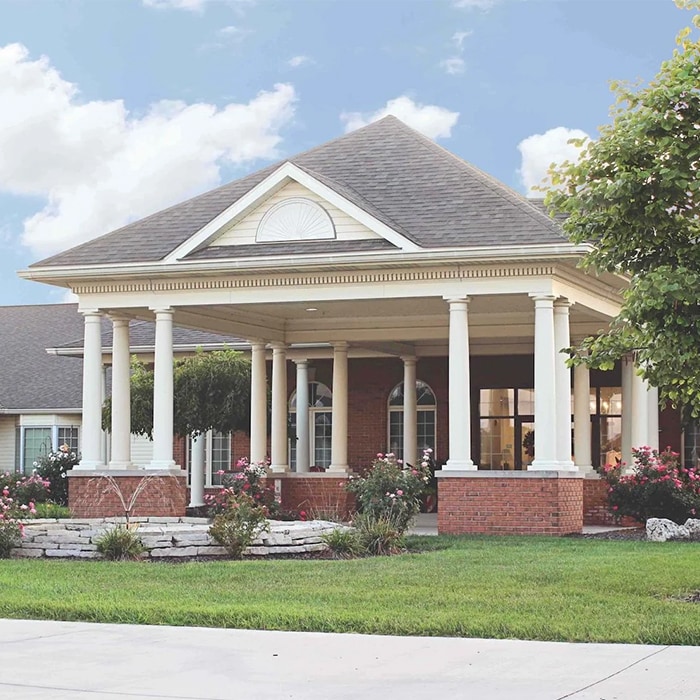
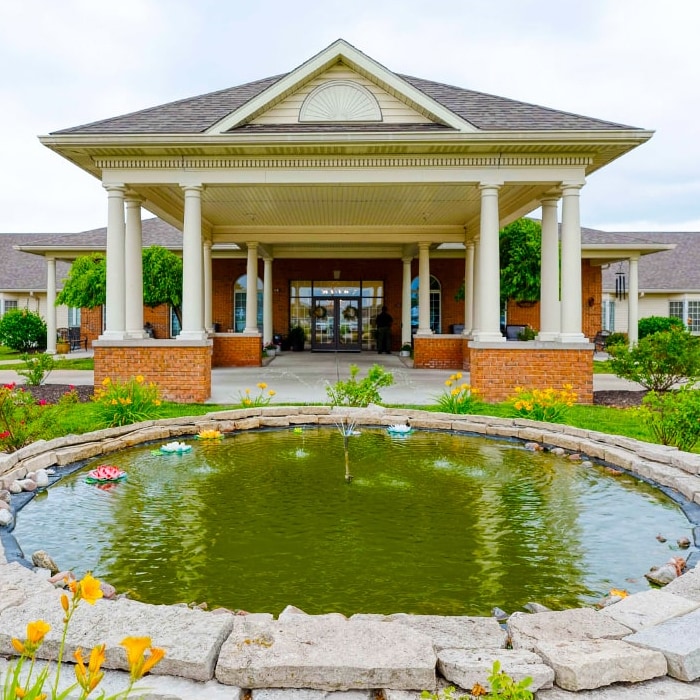
At Longevity of Granite City, social connection is woven into daily life across independent living, assisted living, and memory care. Your loved one deserves a life full of joy, purpose, and people who genuinely care. Schedule a personal tour to see that kind of life up close.