
Key Takeaways
- Assisted living supports daily tasks while preserving independence and social connection.
- Skilled nursing homes provide around-the-clock medical care for complex health needs.
- The right choice depends on your loved one’s level of care and lifestyle needs.
- Memory care is a separate, specialized option worth exploring for cognitive challenges.
- Touring a senior living community can help you feel more grounded in your decision.
Two Options, One Important Choice
If you’re trying to figure out what kind of care your loved one needs, you’ve probably come across the terms “nursing home” and “assisted living” used almost interchangeably. They’re not the same thing, and that difference matters when you’re making one of the biggest decisions your family may face.
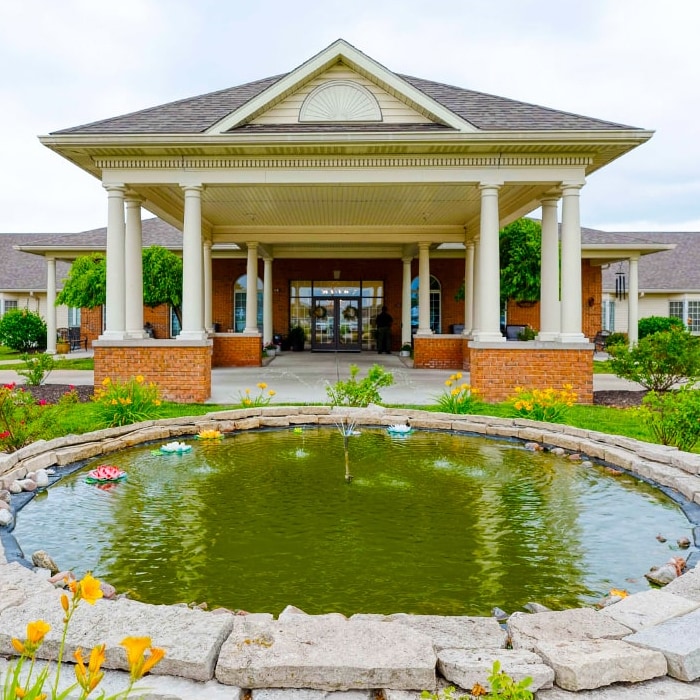
Longevity of Granite City understands how much weight this decision carries, and helping you navigate it with clarity is part of what they do. Assisted living focuses on supporting daily life while preserving independence, while a skilled nursing home provides intensive, around-the-clock medical care for more complex needs.
Knowing which one fits your loved one’s situation can bring a lot of clarity to a process that can feel overwhelming. If you’re still working through what level of support makes sense, this guide on choosing the right level of care can be a helpful place to start.
What Assisted Living Actually Looks Like
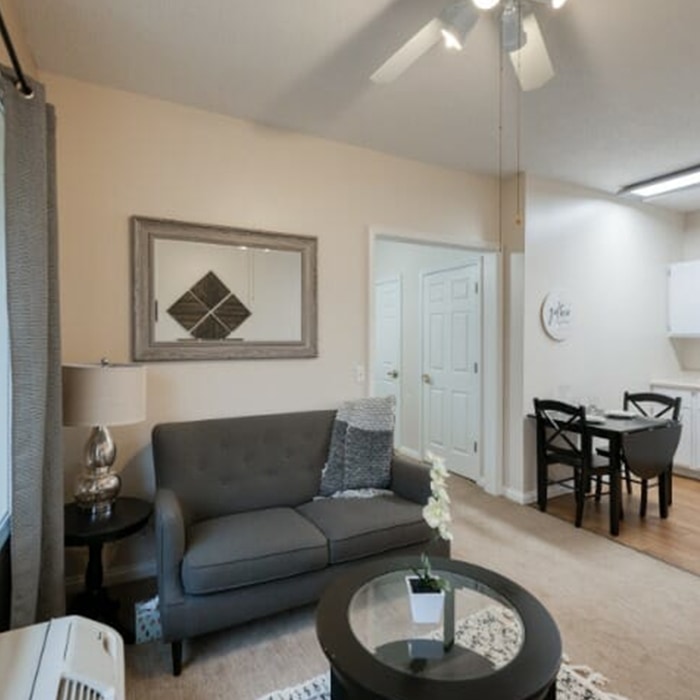
Assisted living is designed for people who want to maintain their independence but could use a little help with things like meals, medications, or personal hygiene. It’s not about taking over. It’s about supporting. Residents still have their own space, their own routines, and their own choices.
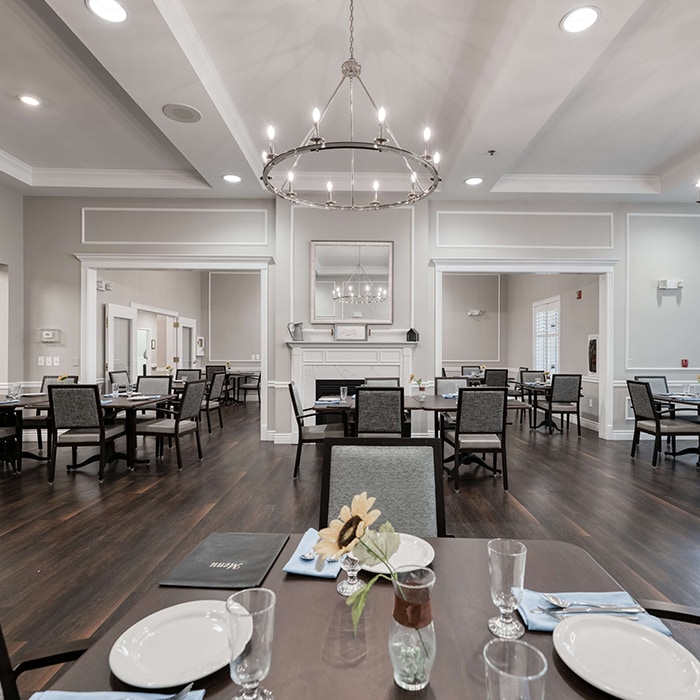
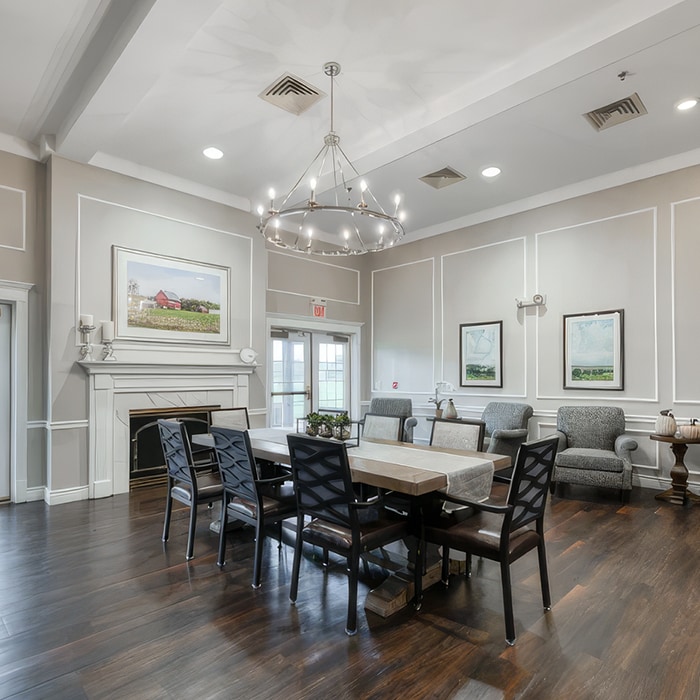
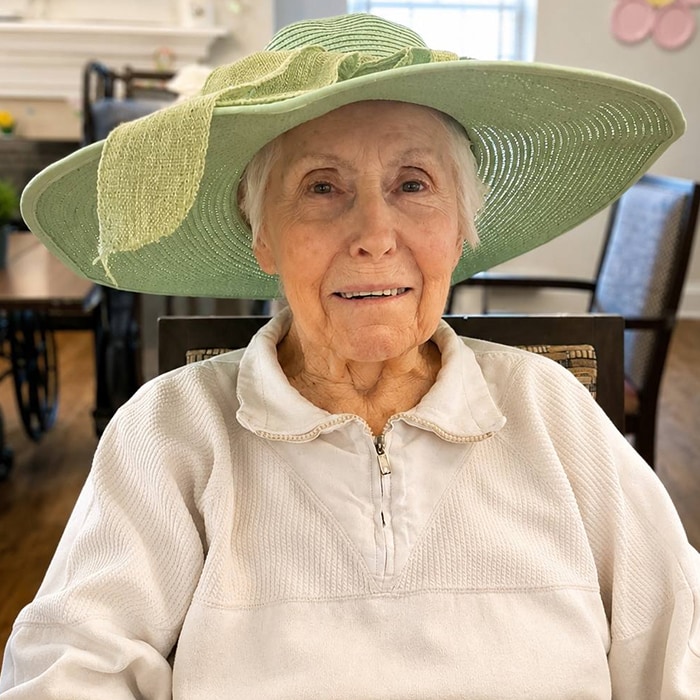
The environment feels like home, not a hospital. Think shared meals in a welcoming dining room, a packed activity calendar, and neighbors who become friends. Social connection and daily engagement are central to how assisted living communities are designed to function.
What a Skilled Nursing Home Provides
A skilled nursing home is built around medical care. Registered nurses and licensed professionals are on-site around the clock to support residents with serious, ongoing health needs. This could include wound care, IV therapy, or rehabilitation after a hospital stay.
For some people, a skilled nursing home is a short-term stop during recovery before returning home. For others, it’s a longer-term arrangement when medical needs can’t be managed in a less clinical setting. The focus here is on medical support rather than lifestyle and independence. You can learn more about long-term care options to get a fuller picture of what each setting is designed to do.
Key Differences Between the Two Options
Level of Care
Assisted living is a strong fit for someone who needs help with daily tasks but doesn’t require constant medical attention. Think of someone who needs a reminder to take their medications or help getting dressed in the morning. They’re still active, social, and able to enjoy their days.
A skilled nursing home steps in when medical needs are more serious and ongoing. If your loved one needs regular clinical monitoring or is recovering from a significant health event, that’s when skilled nursing care becomes the more appropriate path.
Daily Life and Lifestyle
One of the biggest differences you’ll notice between the two options is how daily life actually feels. In assisted living, the day is shaped around purpose, connection, and joy. Nutrition-forward meals, group activities, and wellness programs are woven into the rhythm of everyday life. Take a look at the community events calendar to see what purposeful daily engagement can look like.
A skilled nursing home’s daily structure is naturally oriented toward medical care and treatment. That’s what it’s designed for, and it does that job well. But if your loved one is still vibrant and social, assisted living may better support their overall well-being.
Cost and Coverage
Costs between the two options can vary quite a bit. Assisted living is typically paid through private funds or long-term care insurance. Skilled nursing care may be covered partially by Medicare or Medicaid, depending on eligibility and the type of care required.
It’s worth having a detailed conversation with both your loved one’s care team and a financial advisor to map out what coverage applies to your situation. For example, Medicare generally doesn’t cover assisted living costs, though some Medicare Advantage plans may offer additional benefits. The right financial plan can make either option more accessible than it might first appear.

How to Know Which Option Fits Your Loved One
Signs Assisted Living May Be the Right Fit
If your loved one is struggling with tasks like cooking, bathing, or keeping track of medications, but they’re still social and engaged, assisted living can be a wonderful support system. They get the help they need without losing the parts of life that bring them joy.
A good assisted living community offers more than just care. It offers community, routine, and a sense of belonging that can genuinely improve day-to-day quality of life. Staying socially active also plays a meaningful role in supporting cognitive health as your loved one ages.
When Memory Care May Also Be Worth Exploring
If your loved one is experiencing memory-related challenges, standard assisted living may not be enough on its own. Memory care communities offer a structured, supportive environment specifically designed around those needs. Trained staff, tailored programming, and thoughtfully designed spaces can help your loved one feel calm and engaged.
What to Look for in a Senior Living Community
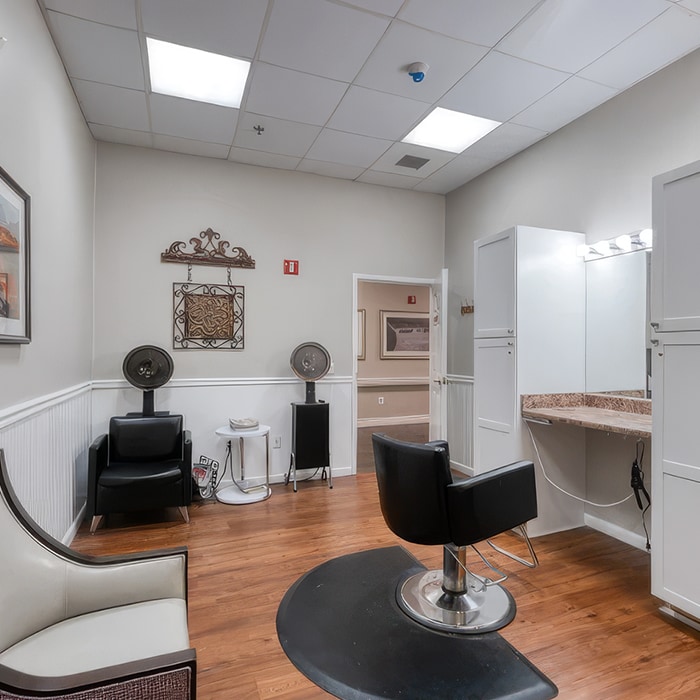
Not all senior living communities are created equal. When you’re touring options, look for evidence-based nutrition programs, a full calendar of meaningful daily activities, and staff who treat every resident with genuine dignity and warmth. These aren’t small details. They’re the things that shape your loved one’s everyday experience. Exploring the services and amenities a community offers can tell you a lot about their priorities.
Choose the Right Path for Your Family
Assisted living and skilled nursing homes both serve real and important purposes, just at different points in a person’s journey. Asking the right questions about your loved one’s current needs can help you feel grounded in whatever choice you make.
Longevity of Granite City welcomes you to come see what compassionate, purposeful senior living looks like in person. Schedule a tour and take the next step toward a decision your whole family can feel good about.